
You finish styling, step outside, and within four minutes your hair has expanded in every direction except the one you intended. Frizz in humid weather isn't bad luck or a sign your hair is beyond help. It's physics: dry, roughed-up strands pull water vapor out of the air, swell, and lift their outer layer. The fix isn't one miracle product. It's a handful of habits, stacked in the right order, from the shower to the pillow.
Every strand is wrapped in a cuticle, a layer of overlapping scales like roof tiles. When those scales lie flat, light bounces off and hair looks smooth. When they're lifted or broken, each strand bends and twists slightly differently, and the surface catches light unevenly. That's frizz.
Here's the part that matters: hair that is already holding plenty of moisture has less room to absorb more. Hair that is dry, porous, or was stripped by hot water and harsh cleanser is thirsty, so it drinks whatever the sky offers. Which means the goal in humid weather isn't to fight moisture. It's to get hair balanced and sealed before you walk out the door.
Frizz often starts in the shower, long before you notice it. Three changes do most of the work.
If your hair is very dry or curly, add a leave-in conditioner while hair is still soaking wet, before you touch a towel. That's the single highest-value step for humid days.
Terry cloth towels are abrasive. Rubbing hair with one roughs up the cuticle and creates exactly the texture humidity loves. Swap to a microfiber towel or a clean cotton T-shirt and squeeze or blot in sections rather than scrubbing.
If you blow-dry, dry it all the way. Partially dried hair left to finish in humid air is frizz bait. Point the nozzle down the length of the strand to keep the cuticle lying flat, work in sections, and use a brush or comb to keep tension on the hair as you go. Finish each section with a shot of cool air. If you use a flat iron, keep it on a moderate setting and take one clean pass — going over the same section repeatedly does more damage than it fixes.
Air-drying sounds gentler, but in high humidity it often means hair sits damp, swells, and dries in whatever shape it happened to fall into. Dry fully, then style.
Most frizz comes down to two missing jobs: hydration and sealing. Products marketed as "anti-frizz" often only do the second.
Leave-in conditioners, curl creams and moisturizing sprays give hair the water it needs so it stops reaching for more. Apply to damp hair, not dry. Humectants like glycerin and honey attract moisture — useful in moderate humidity, but some people find they draw in too much water when the air is thick and the frizz gets worse. If that's you, keep humectants to the lower end of your routine and lean on sealants instead.
Light oils, silicone-based serums and smoothing creams form a thin film that slows moisture exchange. Argan, jojoba and grapeseed oils suit most hair types; heavier oils like castor or coconut can weigh fine hair down.
Layer in order: leave-in first, cream or oil in the middle, smoothing serum last. Start with less than you think you need — a pea-sized amount for mid-lengths and a few drops for ends. Rubbing product between your palms and smoothing downward, palm to hair, spreads it evenly without a greasy patch.
Technique beats product on a muggy day.
Straight, fine hair does well with a lightweight serum and a firm hold spray. Curly and coily hair usually prefers a leave-in plus gel or cream, applied to soaking wet hair and left alone to dry completely — crunch it out only once it's fully dry.
What happens at night undoes a lot of good work. Cotton pillowcases pull moisture out of hair and rough up the cuticle. A satin or silk pillowcase, or a soft bonnet, makes a real difference over time.
For long hair, gather it loosely on top of your head — the "pineapple" — with a satin scrunchie. You'll wake up with volume at the roots and far fewer tangles. On day two or three, refresh roots with dry shampoo and mist the lengths with water mixed with a little leave-in conditioner, then smooth ends with a single drop of serum. Rewet, don't re-brush.
Gentle cleanse at the roots, conditioner mid-length to ends, cool rinse. Comb through in the shower. Squeeze dry with microfiber, add leave-in while hair is still damp, then layer a cream or oil and finish with a light serum. Dry completely, style with tension, and stop touching it. Sleep on satin, refresh with water rather than a brush, and keep a drop of serum in your bag for the walk home.
And a note on patience: if hair is breaking, shedding more than usual, or your scalp is itchy, sore or flaking, that's worth a conversation with a doctor or dermatologist rather than another product. Frizz is a styling problem. Scalp and shedding changes can be something else.
Photo: Achi Murusidze / Pexels

A step-by-step holiday party makeup checklist covering skin prep, base and eye techniques, setting layers, and the...

Eye creams aren't essential for everyone, but they can earn their spot. Here's how to tell whether your face...
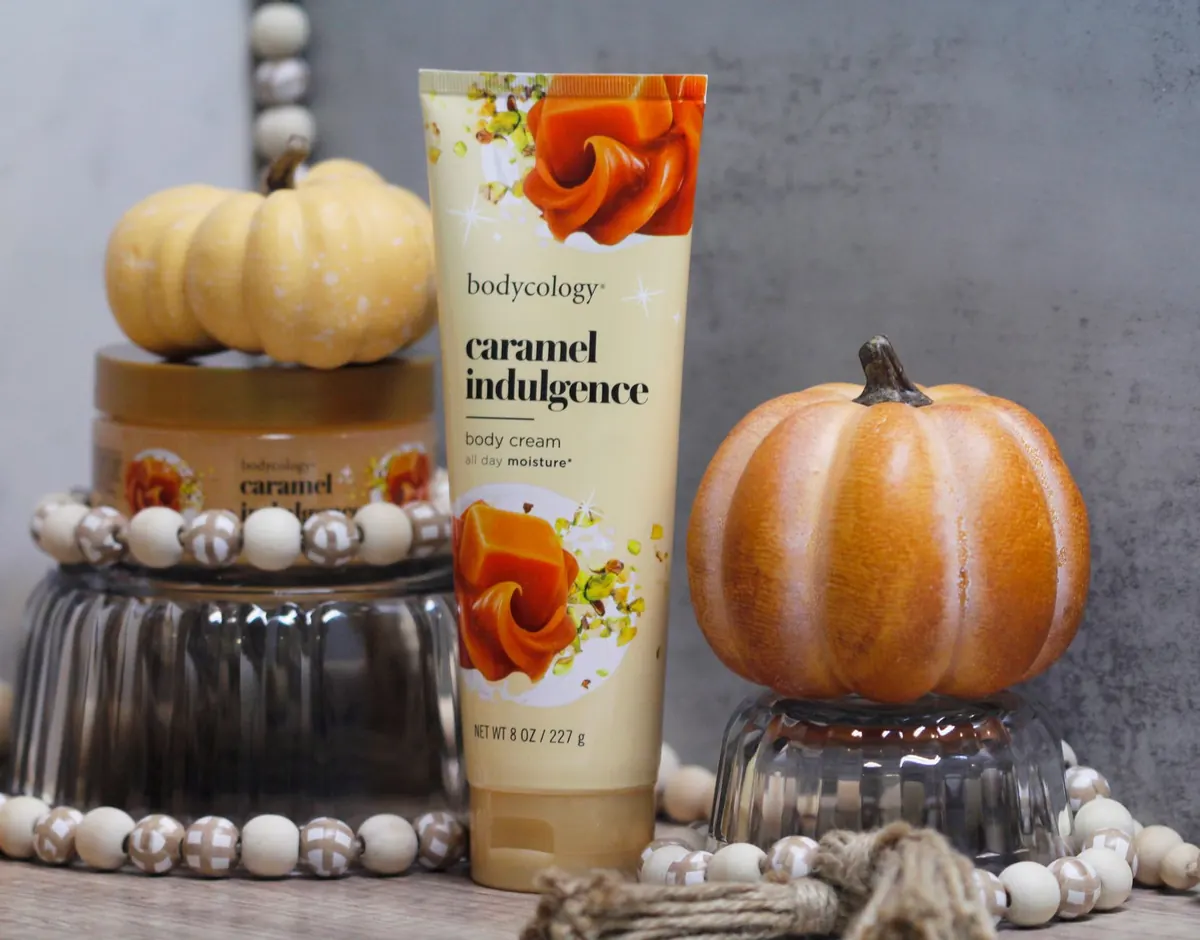
A practical seasonal guide to moving your body care from lightweight summer formulas to richer autumn hydration,...


British charm meets modern beauty..
