
You spray something gorgeous at 7:45 in the morning. By one o'clock it has disappeared from your skin — and you can only smell it on your scarf. Fragrance longevity is part chemistry, part technique, and a small part luck. The good news is that most of it is within your control.
What follows is the routine I'd give a friend: how to prepare skin so it holds scent, where to apply it, how to layer, and the small habits that make a real difference.
Perfume doesn't sit still. Alcohol and the lighter molecules evaporate within the first hour, which is exactly how a fragrance is designed to behave. That bright citrus opening is meant to flash and move aside for the heart and base notes.
Skin type matters more than people expect. Dry skin gives scent molecules little to grip, so fragrance slips away faster; oilier skin tends to hold it longer. Heat, wind and dry indoor air all speed up evaporation. And there's the nose problem: you become blind to your own perfume within an hour or two of wearing it. Before you assume it's gone, ask someone standing next to you.
Application technique is the smallest part of the job. The base underneath it does more work.
If your skin is reactive, patch test on the inside of your forearm first. Any persistent redness or itching is a reason to stop using the fragrance and speak to a doctor or dermatologist.
Pulse points are warm, and warmth lifts scent off the skin. That's the theory. In practice, some pulse points are far better than others.
Perfume in hair smells lovely and lasts, but alcohol dries the strands over time. Mist a brush lightly and run it through, rather than soaking your lengths. On fabric, test first: perfume can stain silk, and alcohol isn't kind to delicate weaves or pearls. A single spray on a scarf or coat lining is usually fine, and it releases scent as you move.
The most common mistake is rubbing your wrists together. Friction adds heat, which pushes the top notes off your skin in seconds, and it roughs up the composition so the opening, heart and base arrive flattened rather than in sequence. Spritz, then leave it alone.
Hold the bottle roughly a hand's width from your skin — about six inches — and press the nozzle all the way down in one firm pump rather than several hesitant half-sprays. Two to four sprays is plenty for most fragrances; more doesn't mean longer, it just means louder for the first hour.
Spray before you dress, and give it a minute to dry before pulling on a shirt or a sweater. Otherwise you transfer most of it to the fabric and very little stays where you wanted it.
Layering isn't about wearing three perfumes at once. It's about building a scent in stages so the base notes have help.
Start with a fragrance-free or matching body wash, then the lotion, then the fragrance itself. If you own a perfume oil or solid version of the same scent, apply that first on pulse points and spray the alcohol version over the top — oils evaporate slowly and hold the spray in place.
Concentration matters too. An eau de parfum or extrait will generally outlast a lighter eau de toilette or cologne, simply because it contains more perfume oil and less alcohol. For all-day wear, choose the richer concentration rather than spraying the lighter one six times.
If you like to blend, keep it simple and complementary: a vanilla or amber base under a citrus; woody notes under a rose; a soft musk under almost anything. Two fragrances maximum, and test the combination at home before you wear it to work.
A fragrance that has degraded smells thin and fades fast, no matter how well you apply it. Keep bottles away from bathroom humidity and direct sunlight — heat and light break down the formula over time. A wardrobe shelf or a drawer, cap firmly on, is ideal.
Then carry a travel spray. Touching up at four o'clock on the pulse points is far more effective than spraying heavily in the morning and hoping. One or two sprays on the throat and the nape of the neck will carry you through the evening.
Give the routine a week. Most people find the difference isn't in how much they spray, but in what they do in the two minutes before.
Photo: Behrouz Alimardani / Pexels

A step-by-step holiday party makeup checklist covering skin prep, base and eye techniques, setting layers, and the...
Eye creams aren't essential for everyone, but they can earn their spot. Here's how to tell whether your face...
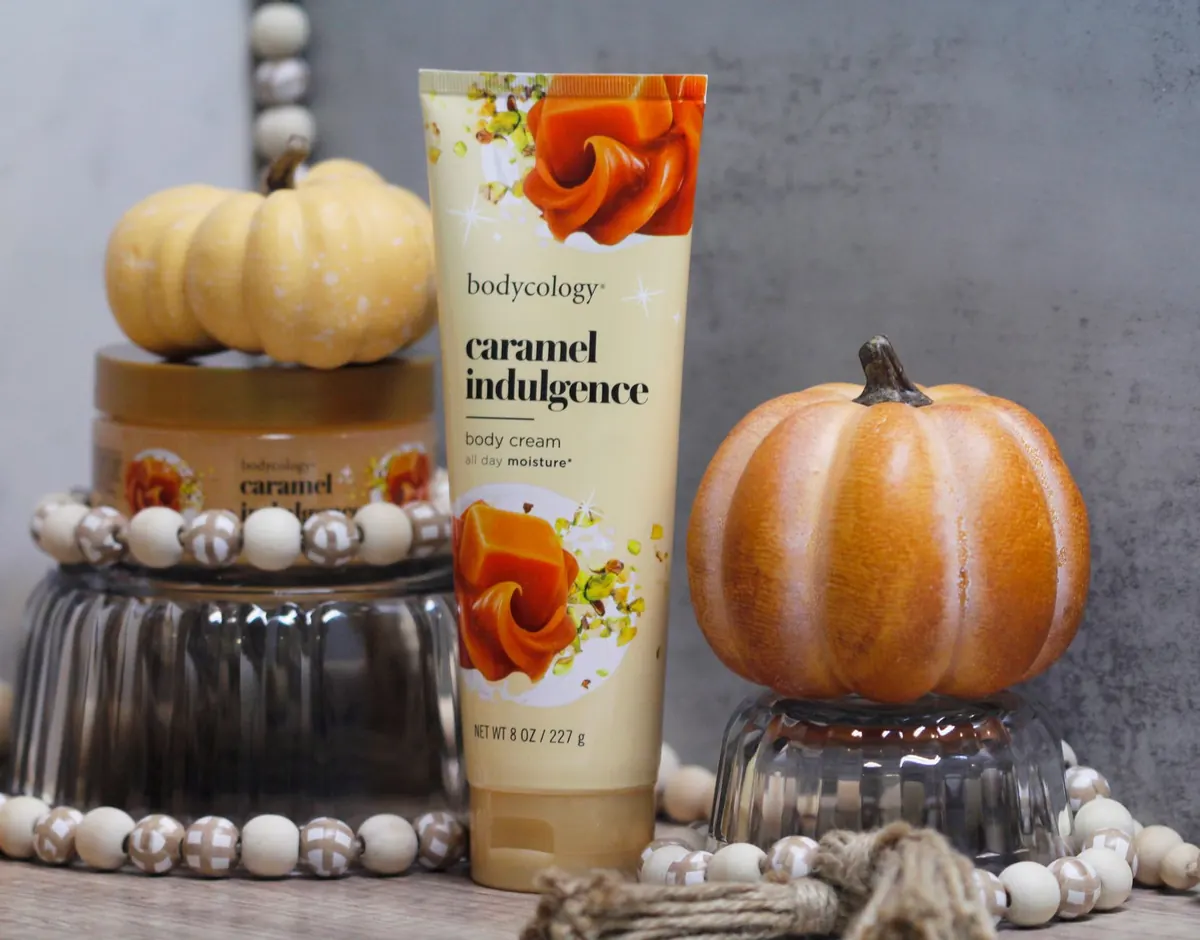
A practical seasonal guide to moving your body care from lightweight summer formulas to richer autumn hydration,...

British charm meets modern beauty..
