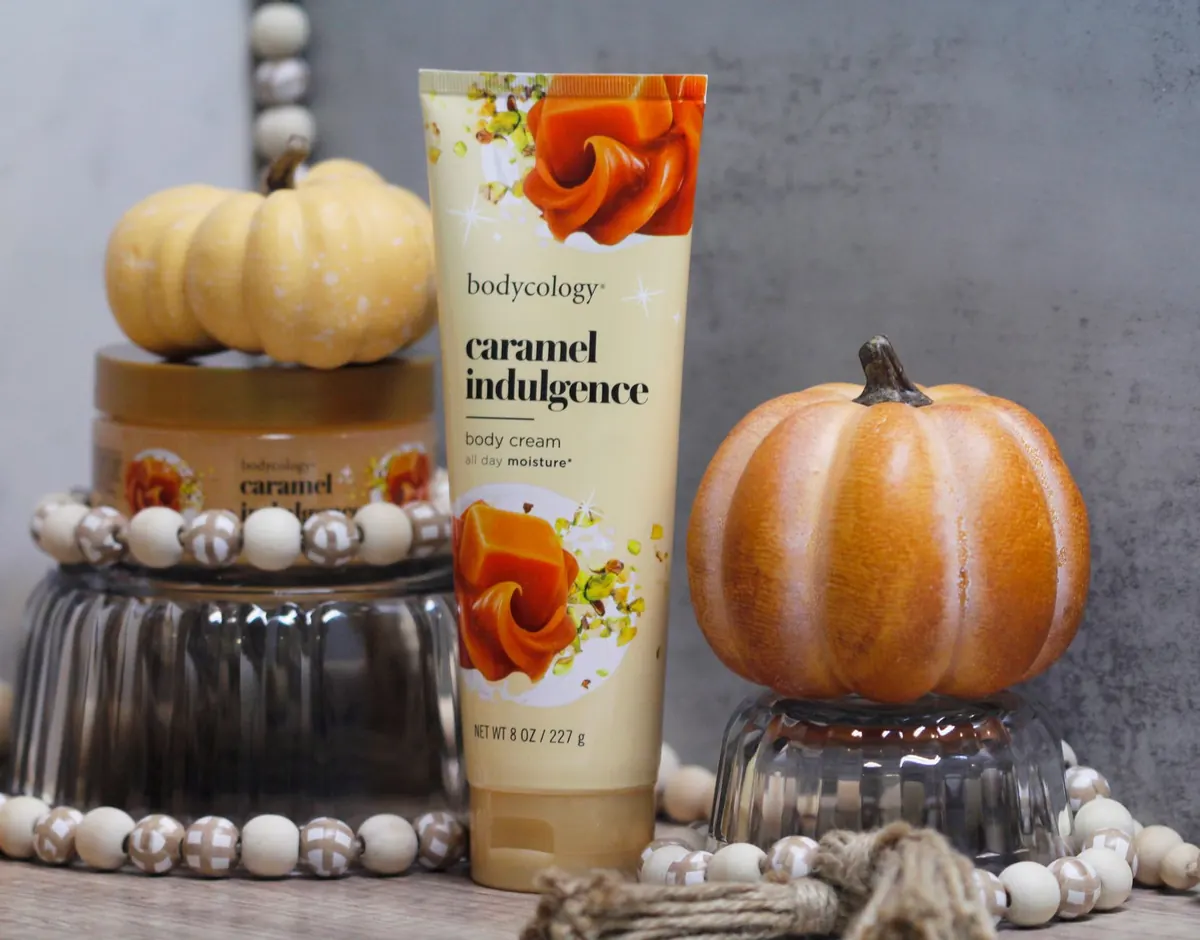
The first genuinely cold morning gives it away: the body lotion that sank in beautifully in July now seems to vanish before you've finished your left arm. Nothing has changed about the bottle. What changed is the air. As humidity drops and the heating comes on, skin loses water faster, and the lightweight formulas that felt like plenty in summer start to read as a thin film over sandpaper. The good news is that autumn body care isn't a full overhaul. It's a handful of small swaps — a richer wash, a cream instead of a lotion, a slower exfoliation schedule — that take an afternoon to sort out and carry you through to spring.
Summer is hard on skin in ways that don't always show up until it's over. Long hot showers, chlorine, salt water, air conditioning and sun exposure all take a toll on the outer layer of skin, which is why so many people find their arms and legs look dull and feel rough by October. Add cooler air and lower humidity, and the barrier has a harder time holding on to water.
The practical result: shins that flake under trousers, tightness after a shower, itchiness across the back and upper arms, and heels that suddenly feel like they belong to someone else. None of that means you need ten new products. It means you need slightly heavier ones, used a little more deliberately.
Most autumn skin complaints start in the shower. Four adjustments do more than any expensive cream:
If you use exfoliating gloves or a scrub in the shower every day, autumn is the moment to cut back.
Body products are mostly a mix of three types of ingredients, and knowing which is which makes shopping far less confusing:
Summer lotions tend to be heavy on humectants and light on everything else. An autumn body cream usually contains more emollient and occlusive material, which is why it feels richer and takes a minute longer to sink in. If you love a particular lotion, don't abandon it: apply it to damp skin, then seal it with a body oil or a thin layer of cream on top. If a heavy cream feels greasy on your chest and back, keep the lighter lotion there and save the rich stuff for legs, arms and feet.
Body oils are lovely but they don't add water — they trap what's already there, so they belong on damp skin straight after a shower. Creams are the most balanced option for daily use. Balms and ointments are for spot treatment: heels, elbows, cuticles, and any patch that has gone rough and tight.
The daily scrub that kept summer skin smooth will leave autumn skin stinging. Cut back to two or three times a week, and pick your method based on what you're dealing with.
Signs you've overdone it: stinging in the shower, redness that lingers, or skin that feels tight even after moisturising. Pause the exfoliation for a week and go back to cleansing and cream only.
These are the areas with the fewest oil glands and the most exposure, and they show the season first. Keep a hand cream by every sink and use it after washing, not just at night. Wear gloves for washing up — rubber gloves over a pair of thin cotton ones if you want the full treatment. At night, apply a thick cream or balm to hands and feet and put on cotton gloves and socks. It's an old trick and it still works.
For lips, a plain balm with petrolatum or lanolin beats anything flavoured, and try not to lick them, which makes chapping worse. A drop of facial or cuticle oil massaged into the nail beds once a day keeps hangnails at bay.
Three or four evenings a week is enough for most people. On the other nights, a single cream will do.
If you'd rather not think about it again until the clocks change, do this: move the summer gel wash to the back of the cupboard and put a cream wash in the shower; buy one richer body cream and one body oil; set exfoliation to twice a week; and put hand cream and lip balm where you'll actually see them. Then reassess in a fortnight. If skin still feels tight, add an oil layer rather than a new product.
One caveat worth stating plainly: dry skin that cracks, bleeds or itches relentlessly despite consistent care isn't a seasonal problem, and it's worth speaking to a pharmacist or doctor rather than buying another cream. For everything else, autumn is a gentle season for skin. It just asks for a slightly richer answer than summer did.
Photo: Sephina Cornwall / Pexels

A step-by-step holiday party makeup checklist covering skin prep, base and eye techniques, setting layers, and the...
Eye creams aren't essential for everyone, but they can earn their spot. Here's how to tell whether your face...

Learn how skin prep, smart application points, layering and storage habits help your fragrance stay on your skin...

British charm meets modern beauty..
